


Future investment critical for continued energy data access in Alaska
By Will Fisher and Ian MacDougall
January 20, 2026
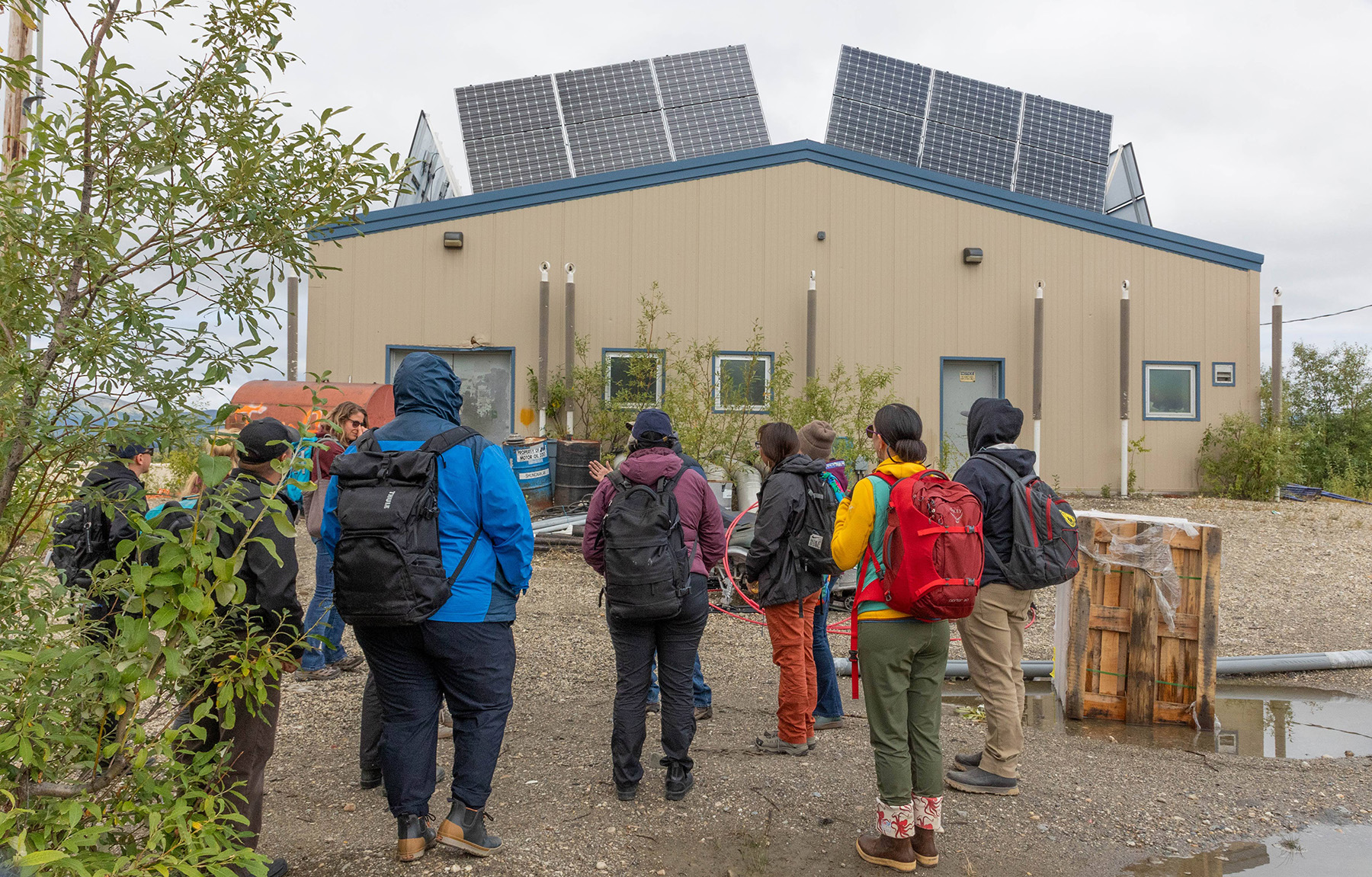
A group of energy leaders from the circumpolar Arctic look at solar panels installed on top of a maintenance building in Shungnak, Alaska.
Alaska energy systems are complex and often exceptional. From the trans-Alaska oil pipeline to the integration of wind, solar and battery systems into remote microgrids and the proposed deployment of the first advanced microreactor at Eielson Air Force Base, Alaska's energy resources are as diverse as the customers themselves.
Alaska utilities and industries produce power for a wide range of customers with wildly different power needs, from large-scale mining and fishing operations to remote military bases to isolated microgrids serving the smallest remote communities. As power demands continue to grow, many of these systems are aging and upgrades are needed, both to ensure continued service and to improve efficiency.
But Alaska’s energy data has significant gaps, inconsistencies and information silos that prevent accurate reporting and long-range planning for community infrastructure investments. These projects usually come with big price tags and commitments of 15 to 50 years. Decision makers need access to high-quality and trustworthy data to make informed decisions regarding these multimillion dollar projects with long-lasting impacts. Without solving these data challenges, Alaska’s communities cannot evolve to meet the energy demands of the future.
That’s where the Alaska Energy Data Gateway comes in.
The Alaska Energy Data Gateway, or AEDG, is a centralized public platform that brings together energy and socioeconomic data for communities across the state. This easy-to-use resource provides consistent, transparent access to data on energy costs, generation, fuel use and infrastructure. That information helps users like local energy planners, legislators, agency staff, local leaders and residents better understand the realities facing Alaska’s communities.
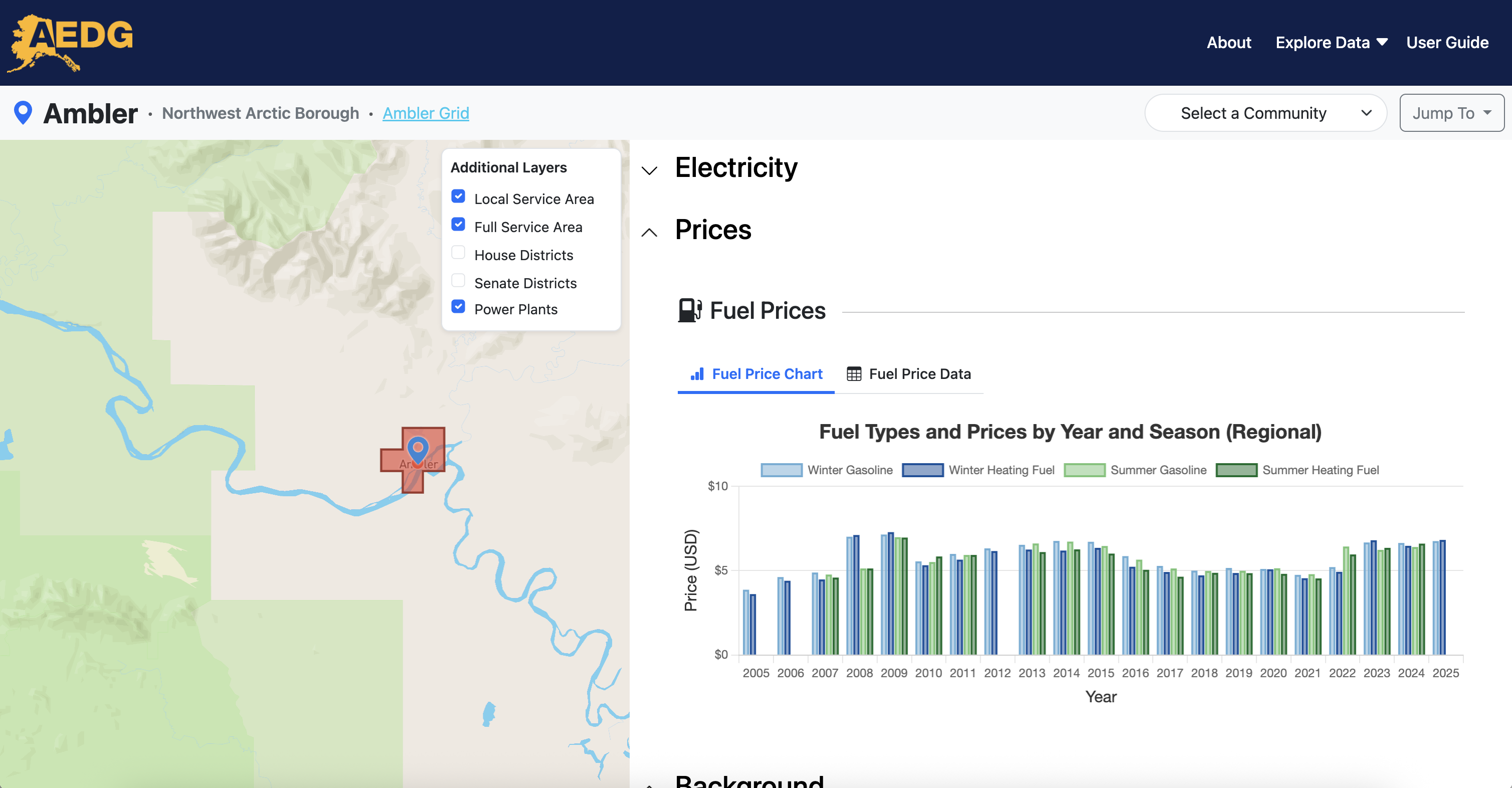
The gateway was first released in 2013 as part of a collaborative research program by the University of Alaska’s Institute for Social and Economic Research and Alaska Center for Energy and Power. It was part of the first project awarded to UA by the U.S. Department of Energy’s Established Program to Stimulate Competitive Research. In its 2023 report, the Alaska Energy Authority’s Alaska Energy Security Task Force recommended updating the original platform.
Thanks to the 33rd State Legislature’s investment in the Alaska Energy Data Gateway, Alaskans can now easily access validated energy and socio-economic data about their community, their regional grid, and neighboring communities. The revitalized platform was built from the ground up by ISER and ACEP. These two highly trusted research centers employ subject-matter experts like economists and energy data experts, who collect, correct, validate and synthesize millions of rows of data coming from federal, state and local sources. That information is displayed on optimized data dashboards that make it easy to see the state of energy at the community, grid and regional levels.
“The AEDG is the best and most comprehensive source of data for Alaska's electric utilities, and thus a key component for the state to develop and evaluate energy policy for electric utilities,” said Neil McMahon, a new research assistant professor at ACEP with over 15 years of experience managing energy projects in the state. “Without the AEDG, it would be much more difficult for policymakers, researchers, community energy champions and bureaucrats to plan Alaska's energy future.”
This is no off-the-shelf solution. AEDG is Alaskan-built virtual infrastructure. Because the vast majority of utilities in Alaska are too small to meet the threshold for federal reporting requirements to the Energy Information Administration, energy data in Alaska are not accessible through the national database, creating an information vacuum. AEDG integrates energy datasets available through the Alaska Energy Authority and elsewhere to provide free access to trusted data, enabling decision-makers to accurately analyze the potential impacts of proposed energy policy and infrastructure, the effectiveness of prior energy policies, and much more.
Since its relaunch in November, AEDG is already providing value. Community members are using the site to communicate with vendors, to prepare grant applications and to plan future energy upgrades.
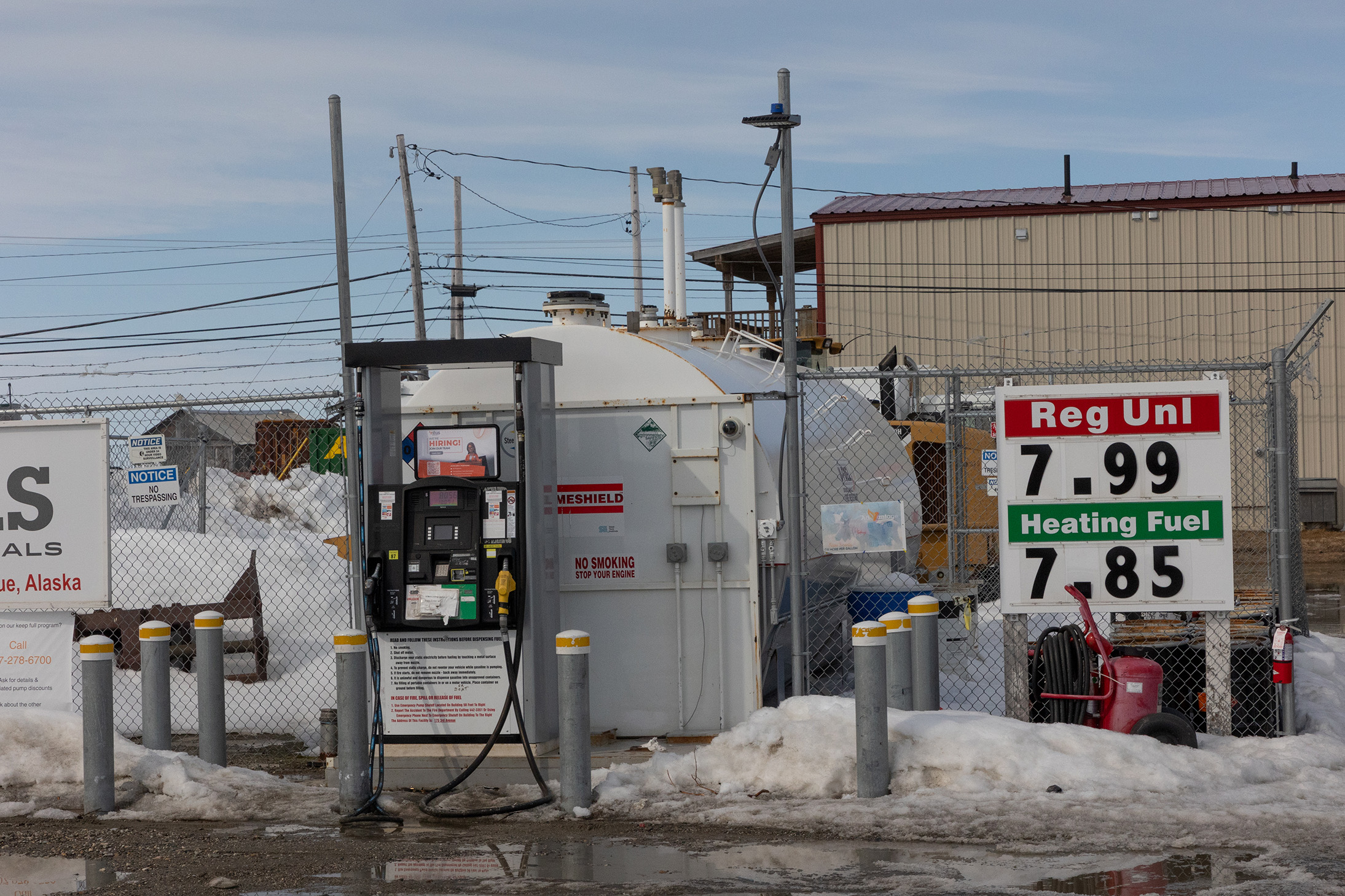
Gasoline and heating fuel prices from 2024 in Kotzebue, Alaska.
“With Alaska facing the highest energy burden in the nation, the Alaska Energy Data Gateway is a critical resource,” said Shaina Kilcoyne, from the Alaska Venture Fund. “It provides access to data that helps me understand community energy systems, especially when I can’t be on the ground, including costs, sales and trends. Beyond supporting individual projects, it is an essential tool for informed policy and program development.”
The challenges to energy data are pervasive and with the data assets in the state as they are, the AEDG at present only services data up to 2021. More-recent data is needed, but will require more work. As Alaska’s energy sector continues to evolve, so does its data. Further investment will be needed to maintain the accuracy, transparency and accessibility of this valuable information into the future.
A tool like AEDG goes beyond just a website. It serves as the energy data infrastructure of the state, tying together data assets from state and local agencies and research centers alike. Funding the continuation of this data asset puts Alaska communities and regions in the driver’s seat, empowering local leaders with up-to-date energy information to inform infrastructure changes that will benefit their own residents — and by extension, the entire state.
Learn more about AEDG:
Foundational elements of the Alaska Energy Data Gateway
Revitalized project will offer Alaskans energy data access
ACEP-ISER project is underway to advance energy data access for Alaskans
Alaska Energy Data Gateway relaunches to support statewide energy decisions
Bridging Alaska energy data gaps
Will Fisher is the cyberinfrastructure lead and Ian MacDougall is a data analyst for the Research Technology Infrastructure team at the Alaska Center for Energy and Power, an applied research group at the University of Alaska Fairbanks.