Research news
Arctic LENS connects NASA science with community-based monitoring
October 12, 2026
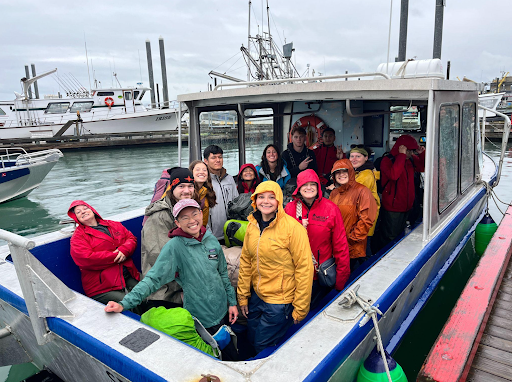
New funding will expand a 30-year community-based monitoring and education outreach program across Alaska, helping bridge local observations with learning from NASA Earth science missions.
Time capsule: Hardwood, softwood, fuelwood
October 09, 2026
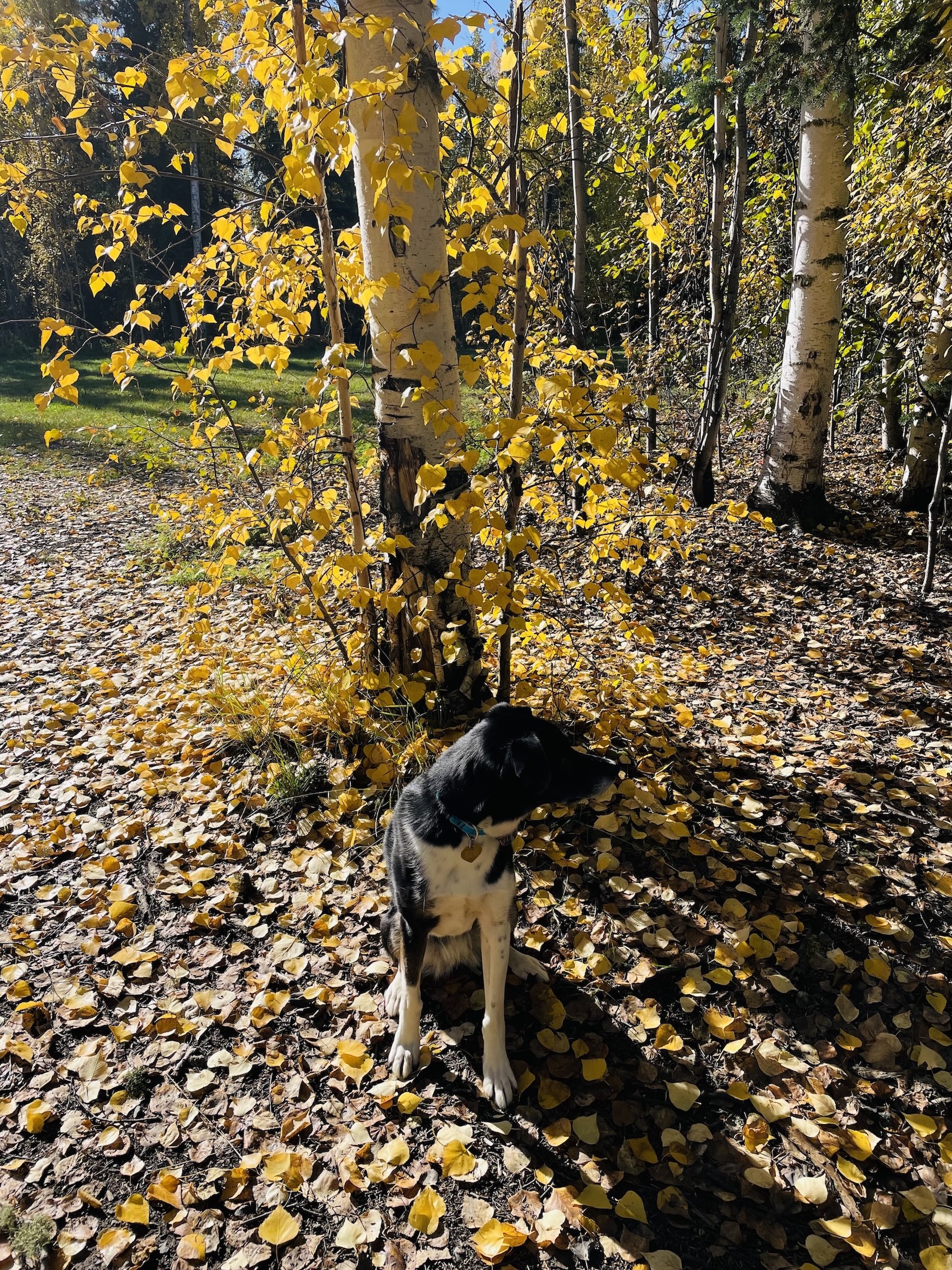
After finally cleaning my stovepipe last weekend, it feels like woodstove season at my cabin can officially (and safely) begin. Carla Helfferich wrote this wood power-focused Alaska Science Forum column on Oct. 3, 1990.
UAF joins $6M NSF critical minerals effort
October 05, 2026
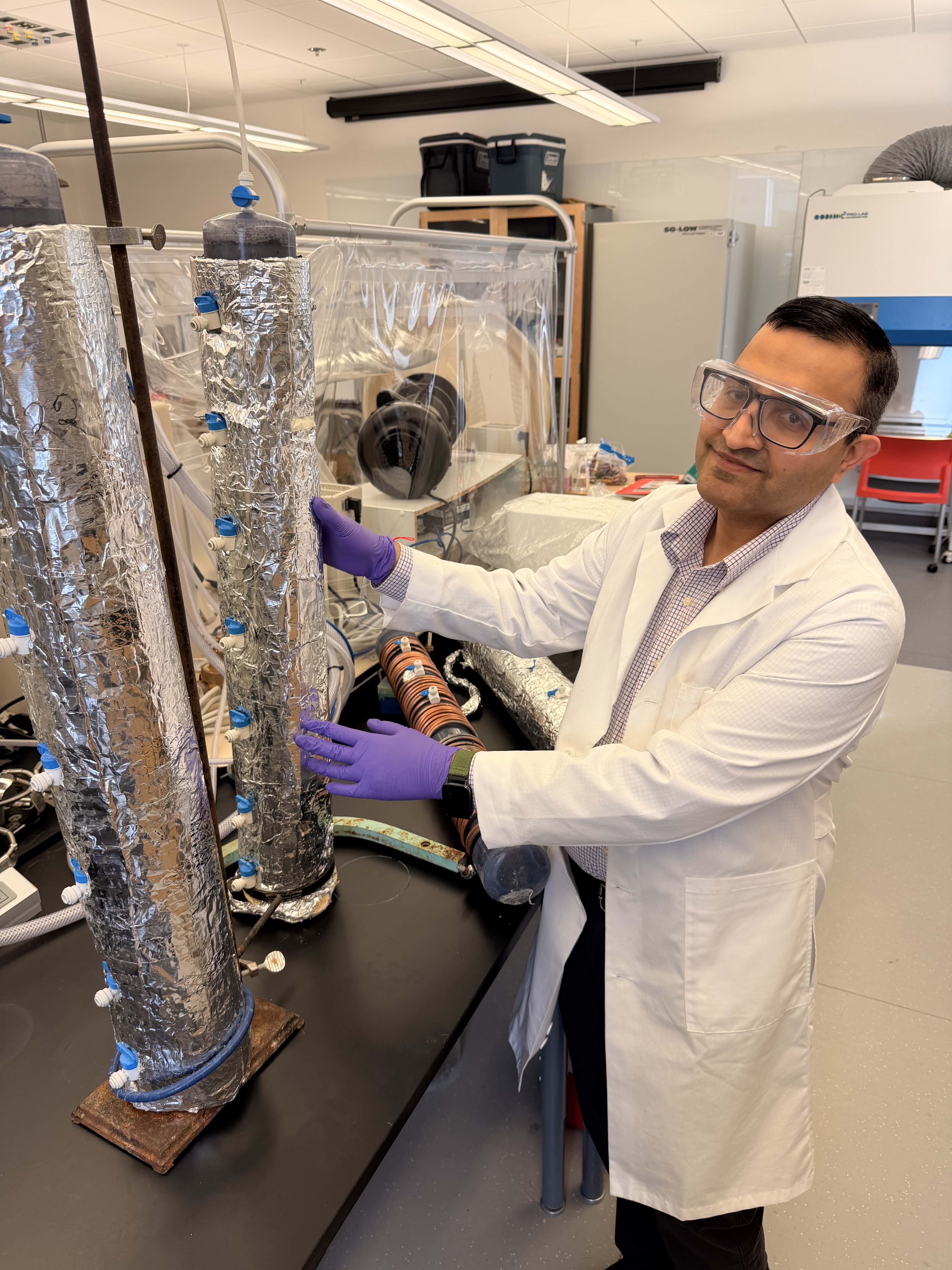
UAF researchers are joining a four-year, $6 million National Science Foundation effort to explore how microorganisms and artificial intelligence can improve the recovery of critical minerals from coal waste.
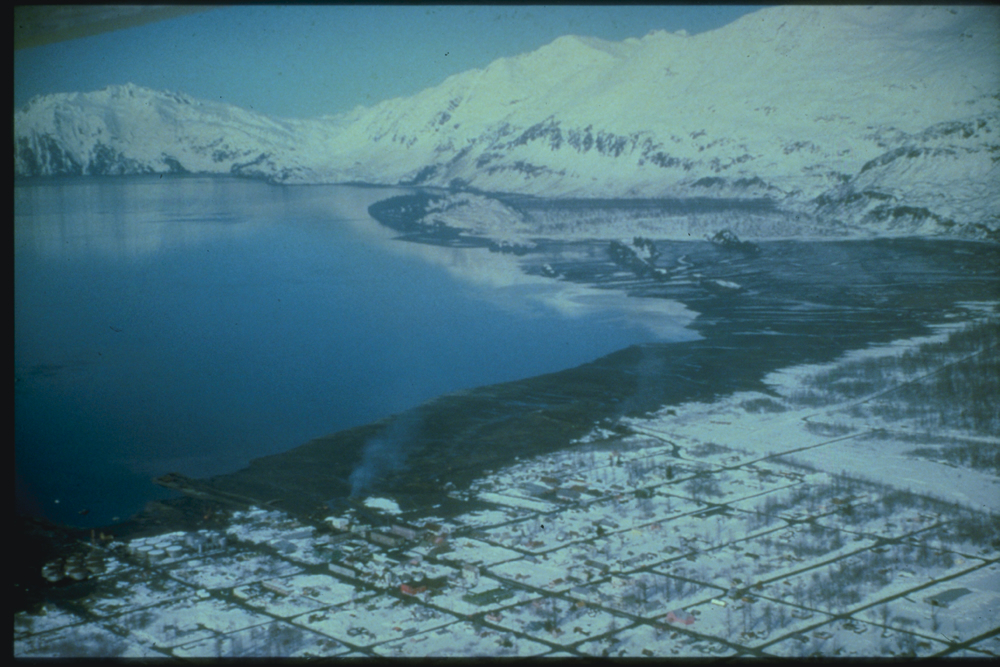
New interactive Alaska tsunami hazard map helps communities prepare
October 02, 2026
A new and interactive tsunami hazards tool created by the Alaska Earthquake Center brings evacuation information, hazard maps and other community-specific resources into a single online location.
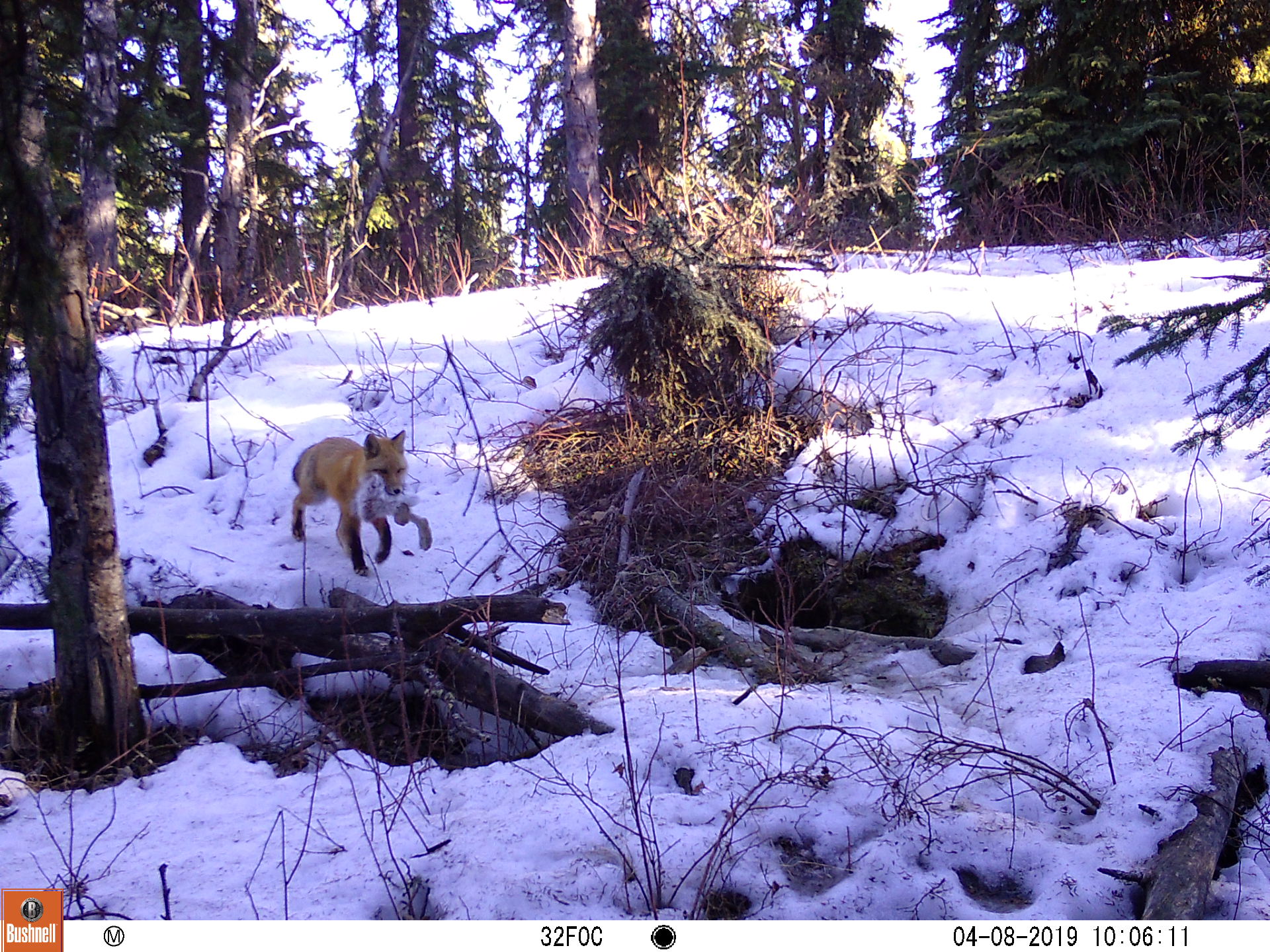
Time capsule: The secret life of a red fox family
October 01, 2026
At the start of every walk, my dogs try to sneak away to "fox town," a fox den on the other side of the pond near my cabin, and we often see the adult foxes trotting through the neighborhood. Hearing one of them bark the other evening, I was reminded of this March 26, 2020, story by Ned Rozell. He recently reported that foxes still use the den, but did not occupy it in summer 2026.
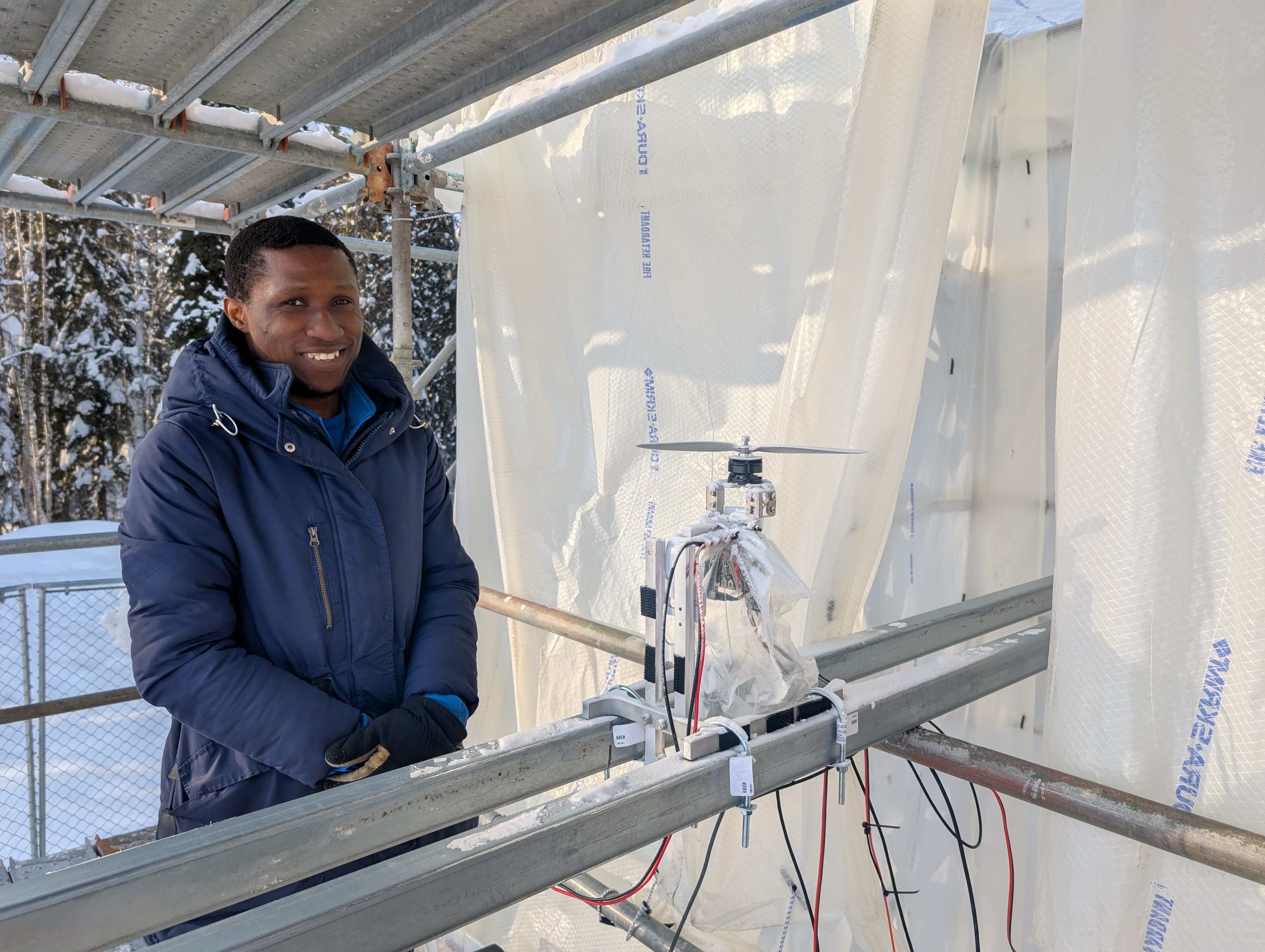
Drone research gets a lift from UAF ice tower
September 30, 2026
The ice tower of the Alaska Center for Unmanned Aircraft Systems Integration, ACUASI, at the University of Alaska Fairbanks Geophysical Institute is where research into wintertime drone flight happens.
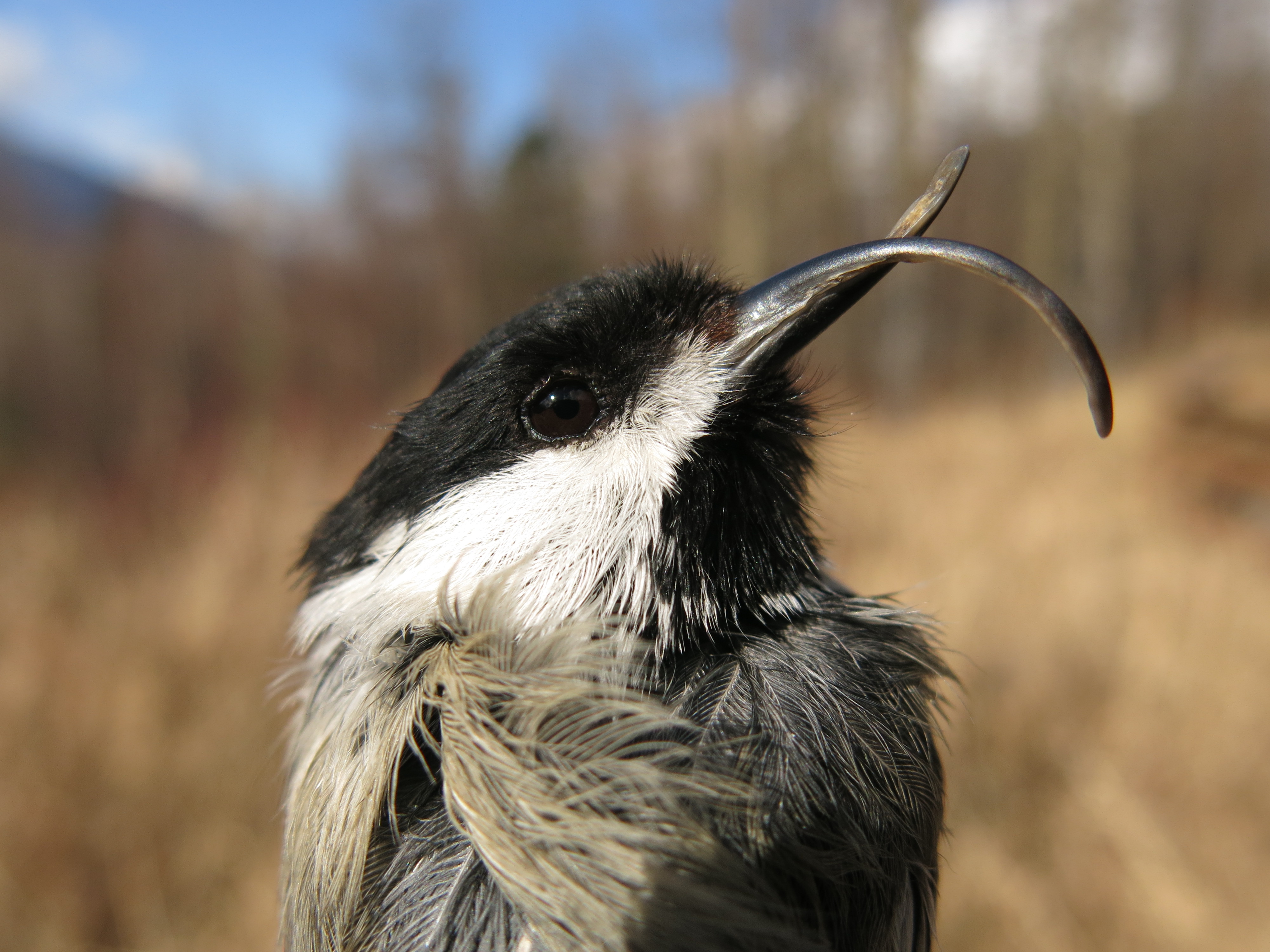
An update on fishhook chickadee beaks
September 25, 2026
Over 26 years ago, my friend Ned Rozell wrote about a startling new deformity seen in Alaska’s black-capped chickadees: “In 1991, a man living in King Salmon noticed three black-capped chickadees with beaks curved like fishhooks,” Rozell wrote. “Since then, hundreds of people from Southcentral Alaska have seen chickadees with overlong beaks that make it difficult for the birds to feed. The drastic increase in sightings has biologists worried that something is very wrong in Southcentral.”
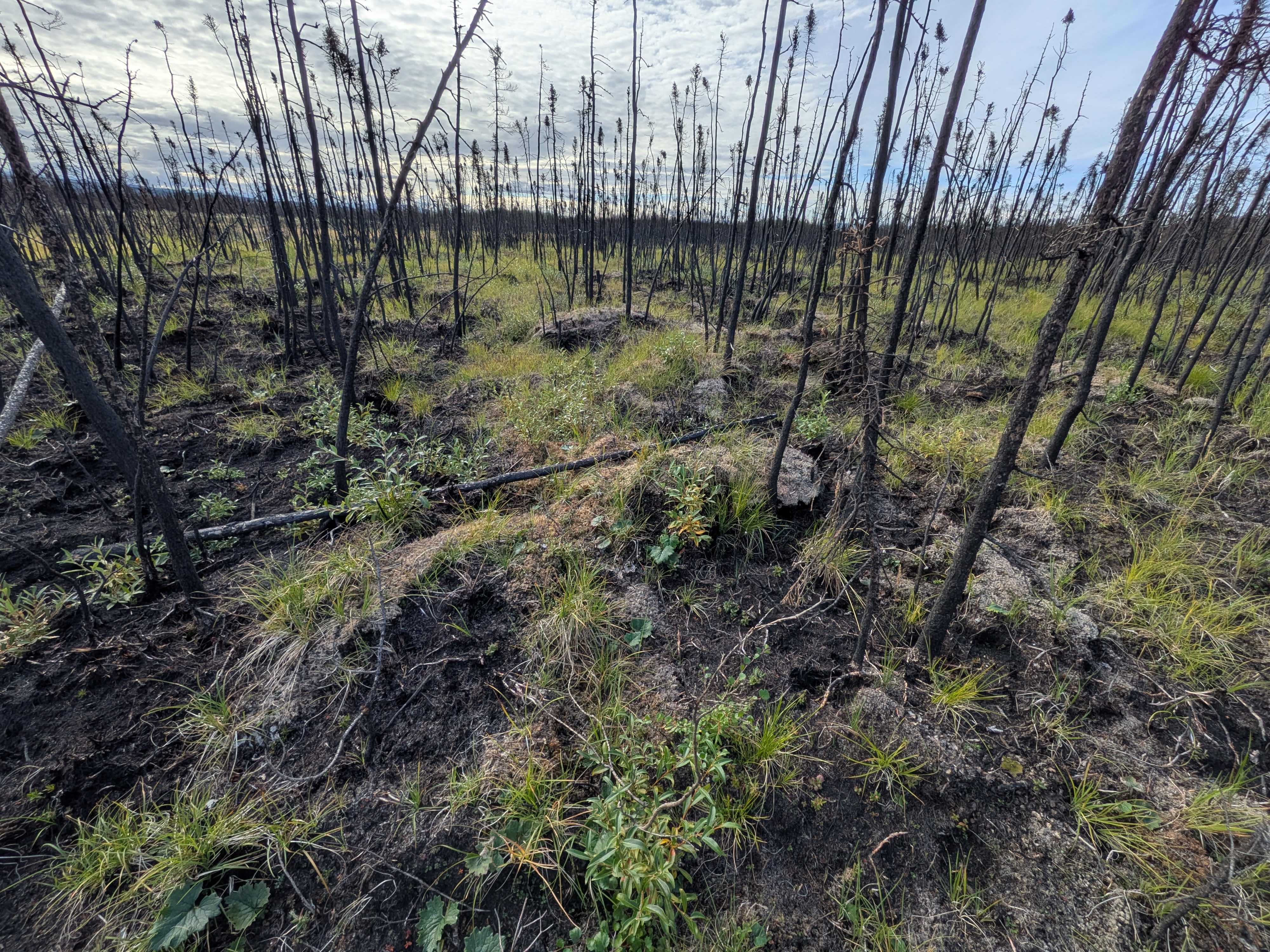
Research finds past burns can limit Alaska wildfire spread
September 24, 2026
UAF-led research found that previously burned areas can act as natural barriers to wildfire spread by reducing available fuels. The effect can persist for decades, although hot, dry and windy conditions make fires more likely to cross into younger burn scars.

Indigenous observations make Arctic Ocean models more accurate
September 18, 2026
Working with Indigenous observers on Alaska's northern coast, a research team has developed a way to improve the modeling of oceanic changes.

UAF drone program tests long-distance blood sample delivery
September 17, 2026
Alaska's drone research program successfully completed a 1,000-kilometer test flight carrying human blood samples for the International Testing Agency, which investigates doping by athletes at the Olympics and other major sporting events.

Mapping tsunamis, building trust
September 17, 2026
While taking a quick shower before her son's fourth birthday party on Dec. 26, 2004, tsunami scientist Elena Troshina heard the phone ring. Deciding it was worth jumping out, she picked it up -- with kids, you never know.

Getting to the bottom of copper's rise to the top
September 10, 2026
Kennecott has been spruced up quite a bit since my last visit there nearly 30 years ago.
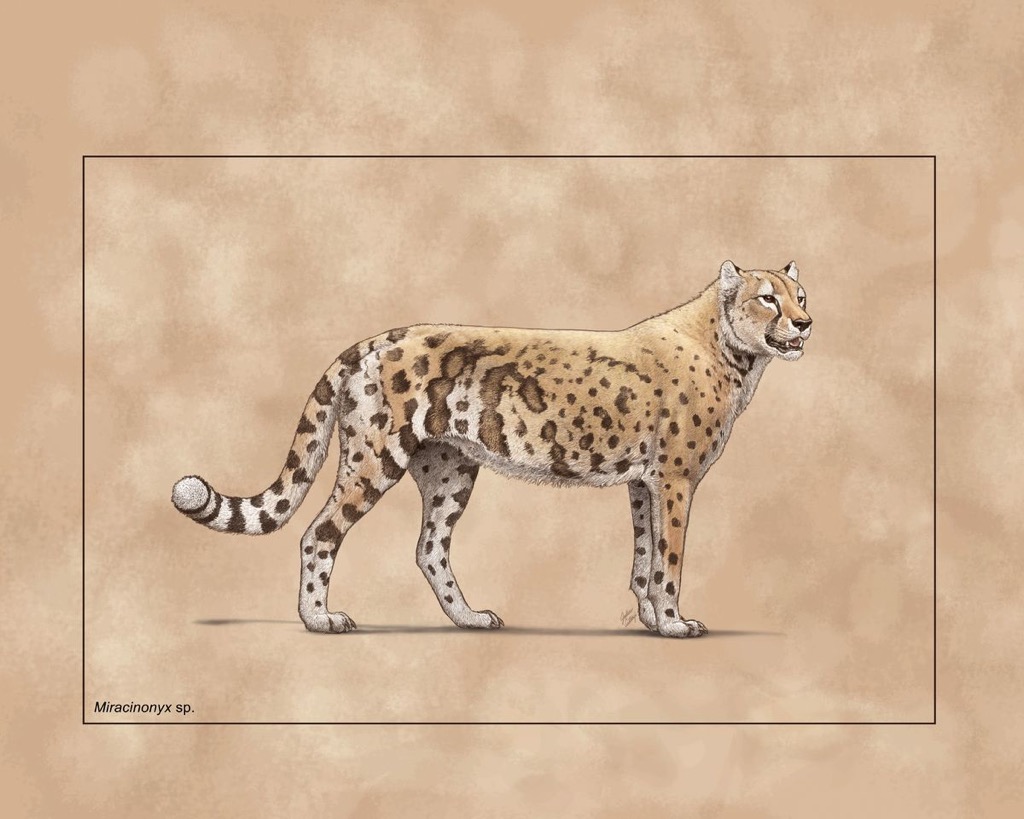
Ancient 'cheetah' adapted to a fish-based diet to survive
September 04, 2026
When the now-extinct American cheetah was enduring the last ice age, a glaciated barrier broke up its territory into two distinct territories -- one in central North America and another much farther north. Analysis from the Alaska Stable Isotope Facility helped an international research team uncover how the ancient carnivore survived in those distinct regions. American cheetahs in the southern range hunted terrestrial prey like pronghorn antelope. Their counterparts in the Arctic adapted to their environment by making fish a staple of their diets.

September 04, 2026
The weekend trip closed with a drive home through the Alaska Range, and the steep scenery around Isabel Pass looked as glorious as it usually does -- except for one little flaw. Here and there, like pale flames along the creek banks, willows gleamed golden in the evening light. On the river's gravel bars and beside the road, dwarf fireweed leaves had turned a sunburned purple.

LARS to host community event Sept. 12
September 02, 2026
The University of Alaska Fairbanks Large Animal Research Station will celebrate the end of summer tour season with a Locals Day event on Saturday, Sept. 12, from 10 a.m. to 4 p.m.

ACEP receives $3 million to advance energy resilience
September 01, 2026
The Alaska Center for Energy and Power at the University of Alaska Fairbanks has received $3 million to study technology that can strengthen energy systems in remote and strategically important regions.

Extreme solar storms can hit Earth harder than thought
August 28, 2026
Scientists have greatly underestimated the impact an extreme solar storm can have on Earth, according to new research.
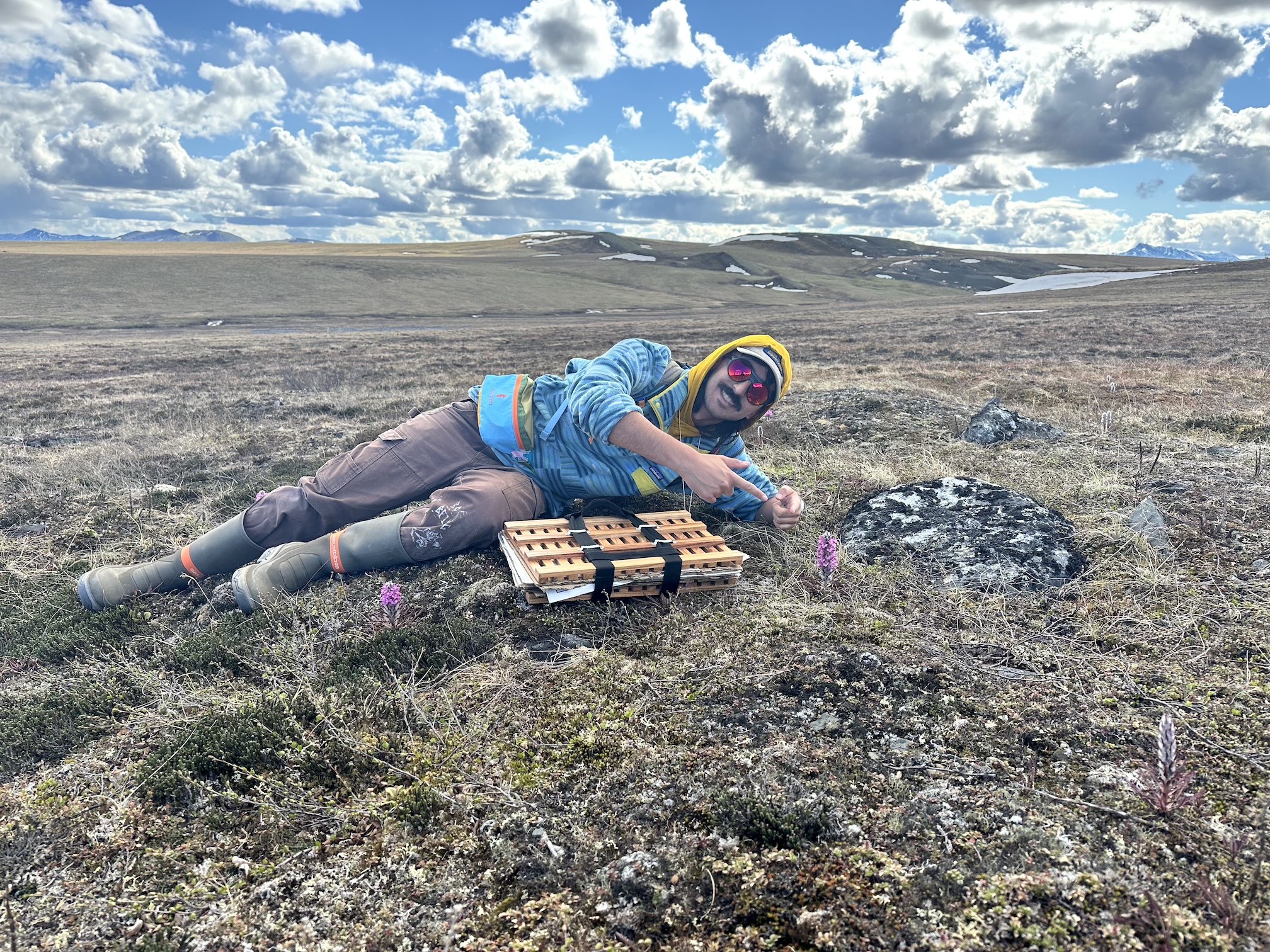
Seeking the benefits of a parasite
August 28, 2026
This time of year, when berries fill my thoughts, the early summer blooms that begot them are hazy in my mind. As I pick, I try to remember that my belly and bucket are full thanks to these flowers and their pollinators. And to my surprise, as I learned this summer, perhaps a parasitic plant is also to thank.
Alaska Defense Forum 2026 focuses on community-military ties
August 21, 2026
Leaders in national defense, research and policy will gather with local partners next week in Fairbanks for the annual Alaska Defense Forum organized by the University of Alaska Fairbanks.
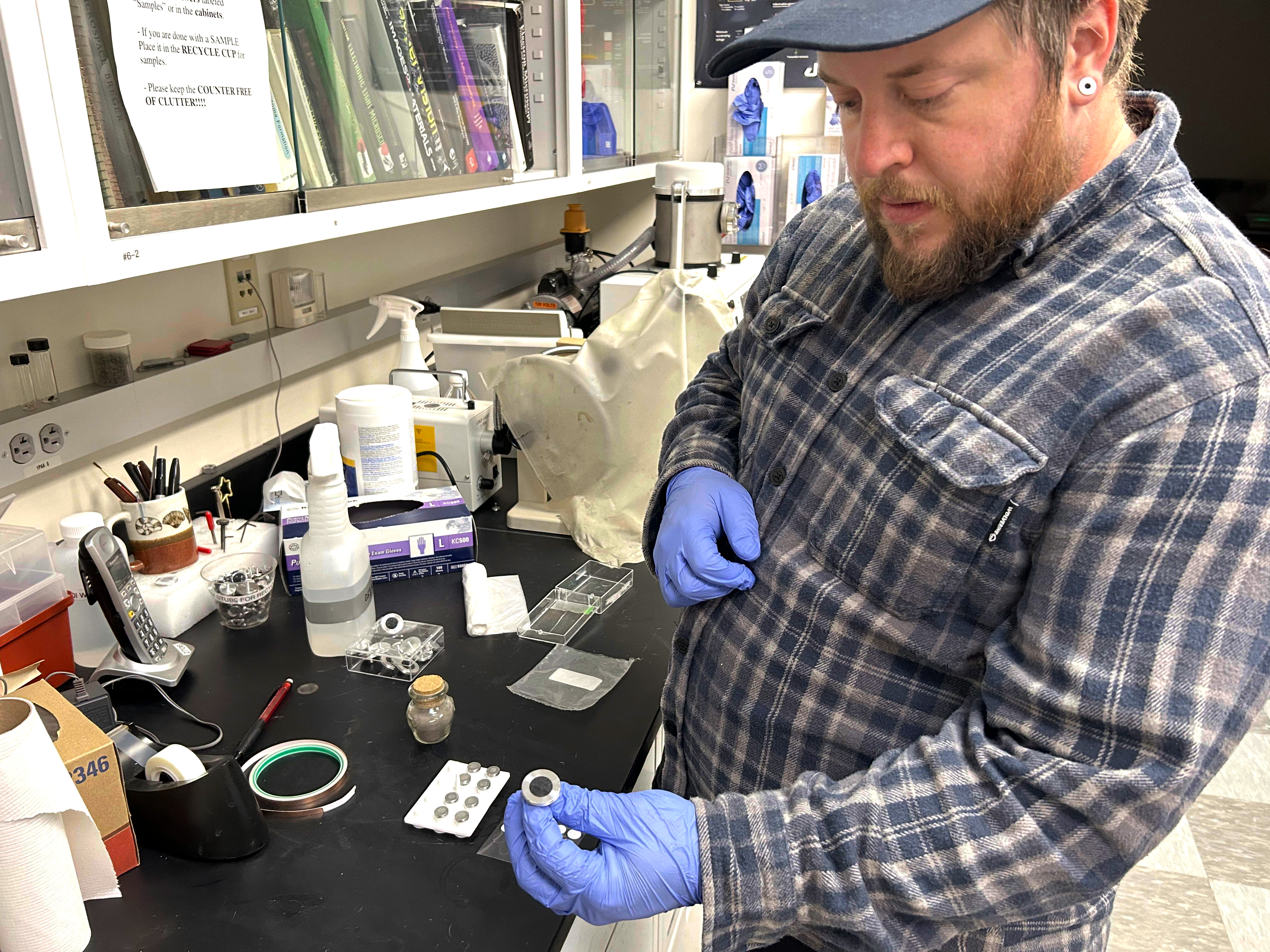
Uncorking the secrets of a tiny bottle of volcanic ash
August 21, 2026
What is this ash from Mount Spurr volcano's 1992 eruption made of?

Subscribe
Sign up to receive an emailed newsletter every Tuesday morning.
Submit content
Submit your content for the weekly newsletter.