


Mapping Alaska’s toxic terrain for safe foraging
by Kelli Caseman
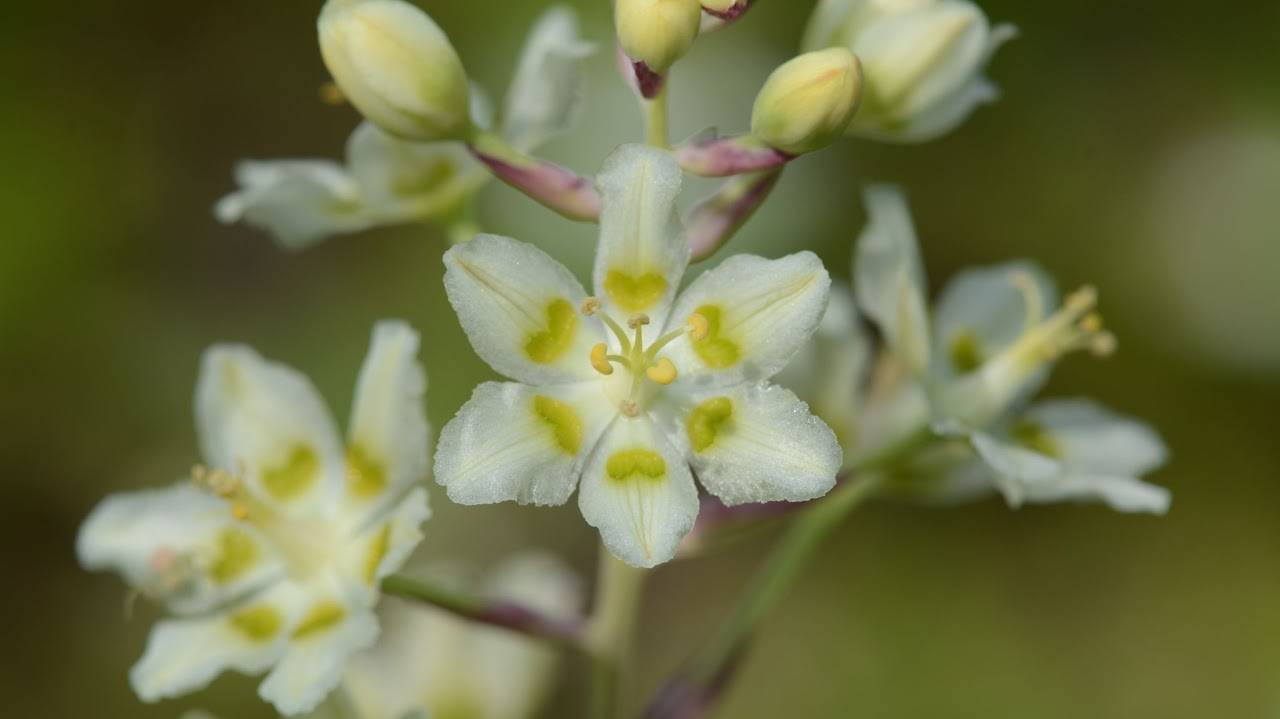
Flowers of the toxic death camus plant
In the vast Alaska terrain, wild plants are more than a scenic backdrop; they are essential to the Alaskan way of life. For many of us, particularly within Alaska Native communities, the act of foraging for wild berries, sourdock, fiddleheads, and mouse food is a cornerstone of food sovereignty, the fundamental right to access healthy, culturally appropriate foods through self-defined systems.
Subsistence practitioners must be able to navigate the landscape with confidence and safety. The Poisonous Plants of Alaska Project, a research initiative hosted by the University of Alaska Fairbanks, is bridging the gap between fear and informed practice through a comprehensive study of how Alaskans perceive and interact with the state's toxic flora.
Read about these project areas on the College of Indigenous Studies Drumbeats Alaska Consortium blog:
- The Survey: Mapping Perception Against Reality
- Data-Driven Peace of Mind: What the Research Shows
- Identifying Specific Risks for Safe Foraging
- Ethnobotany as a Tool for Food Sovereignty
- Cultivating a Legacy of Abundance