Circumpolar Connections: A Dialogue on Arctic Food Systems
Across the circumpolar North, communities face similar challenges in building resilient and sustainable food systems due to harsh climates, remote geographies and rapidly changing environmental conditions.
Circumpolar Connections is a free series of 30-minute, lunchtime talks hosted by IANRE and featuring speakers from across disciplines including soil science, plant breeding, livestock nutrition, greenhouse technologies, sustainable high-latitude food systems and community-based natural resource education. Talks are followed by questions and answers.
While the series centers on agriculture and wild-harvested food in Alaska and other northern regions, its broader goal is to inspire curiosity, strengthen partnerships, and support resilient, sustainable food systems.
2026-2027 talks take place in-person at the Globe Room, room 215 in UAF's Elvey Building on the West Ridge.
For more information, contact Kelsey Nicholson at 907-474-5807 or klnicholson2@alaska.edu.
2026/2027 Circumpolar Connections Talks
UP NEXT
"Innovating the New Blue Economy:
Building Alaska’s Mariculture Innovation Network"
DECEMBER 1. Driven by expanding seaweed and oyster harvests, Alaska is working to develop a large mariculture—or marine farming—economy. Come learn how UAF and other state organizations are working to develop this economy through integrated scientific research, engineering and business innovation.
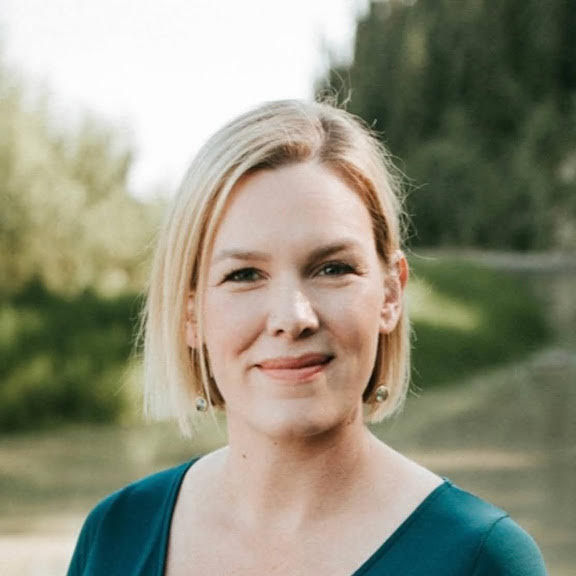
Megan Koch, MA is the Project Manager and Researcher with the University of Alaska Fairbanks (UAF) Center for Innovation and the Alaska Blue Economy Center (ABEC).
PREVIOUS TALKS
"Disasters on the Menu:
The Invisible Threat to Circumpolar Food Systems"
NOVEMBER 3. Learn how extreme environmental disruptions can affect food systems, the challenges amplified by different geographic locations and incorporating food security into disaster preparedness and resilience planning.
Kelsey Nicholson is the Executive Administrative Assistant and Faculty Manager for IANRE. She is pursuing her MSDM in Risk Reduction and Mitigation as well as her Ph.D. in Natural Resources and Sustainability at the University of Alaska Fairbanks.
"Permafrost and High Latitude Food Systems"
OCTOBER 6. An overview of permafrost and how it interacts with various types of high
latitude food and agricultural systems.
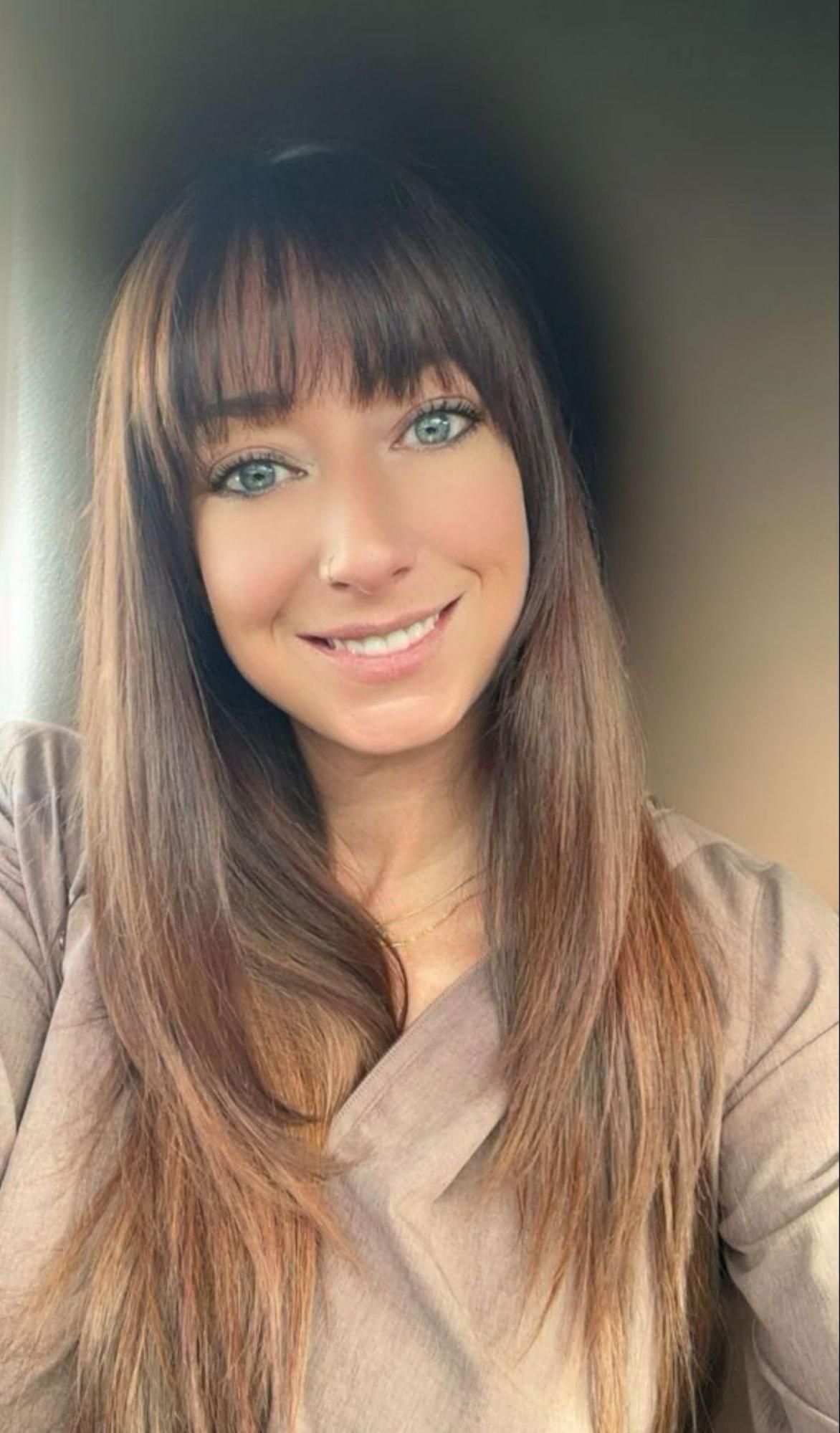
Melissa Ward Jones is the Director of the Water and Environmental Research Center (WERC), Institute of Northern Engineering, University of Alaska Fairbanks.