

UAF Cooperative Extension provides over 350 publications on everything from Alaska blueberries to canning walrus. Search our database and find answers to your everyday questions.

Our agents host hands-on workshops in communities all over Alaska on topics like food preservation, energy efficiency and nutrition and health. Join us in person or online.

Our experts provide research-based, practical information. We show people how to plant gardens, raise chickens and cook sourdough pancakes. Connect with one of our experts for help answering your everyday questions.

Cooperative Extension is home to Alaska's 4-H and Youth development programs. Youth in communities across Alaska develop skills for life and leadership in our state.
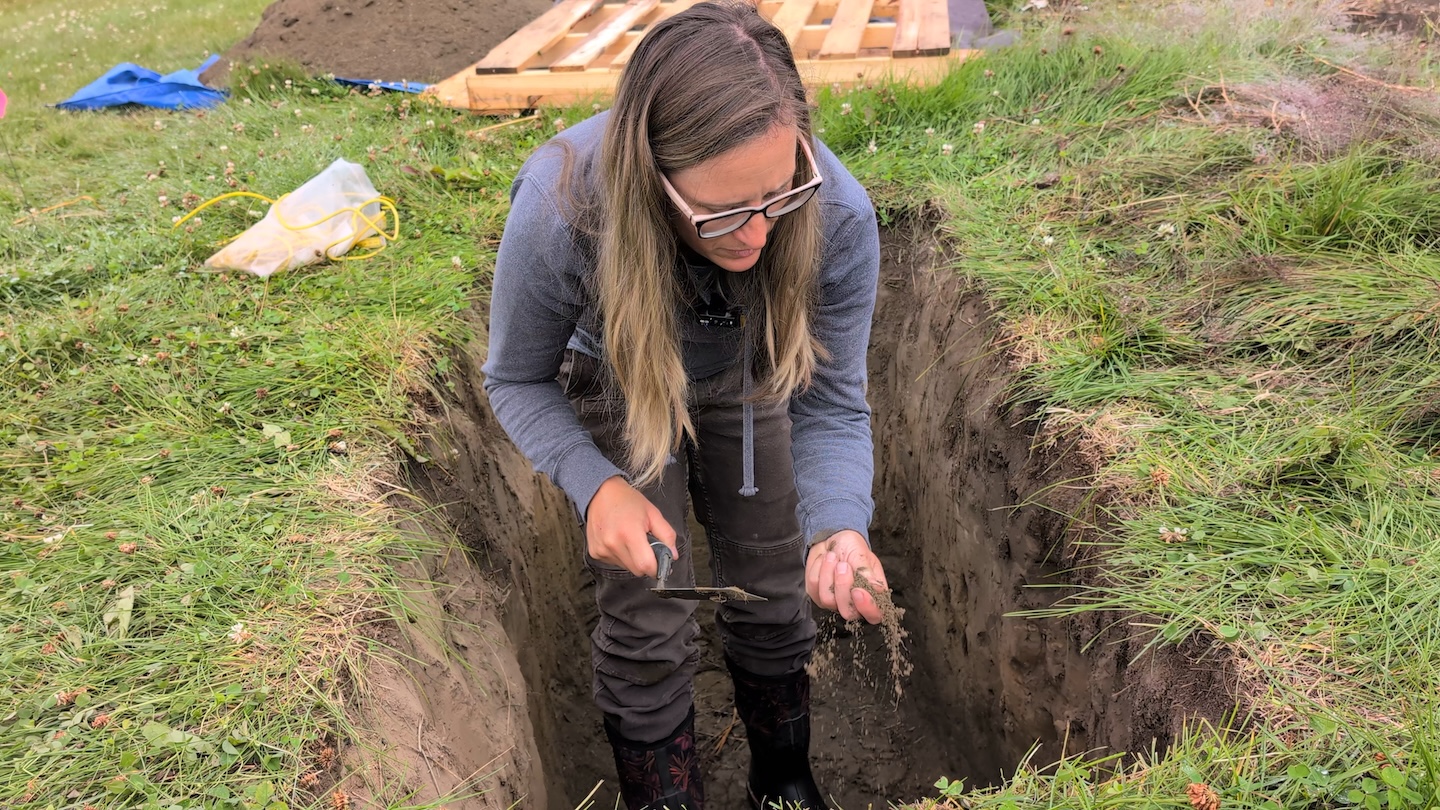
Palmer workshop to teach educators about soil science
June 02, 2026
The Matanuska Experiment Farm and Extension Center will host a day-long soil science workshop on Monday, June 8. The workshop, from 9 a.m.-4 p.m., is geared toward formal and informal adult educators, homeschool parents, librarians, gardeners, backyard farmers and others who are interested in soil health.

Five-day 4-H camp in Haines features outdoor activities, fair
May 29, 2026
A five-day residential 4-H camp in Southeast Alaska features outdoor activities and a day at the Southeast Alaska State Fair. The camp, which is open to youths 11-18 years old, will be held July 20-24 at the Echo Ranch facility in Haines across from Rainbow Glacier. Campers will stay in rustic cabins and have opportunities to swim, hike, zipline, kayak, forage, fish and learn outdoor skills such as building shelters and starting and cooking on campfires.
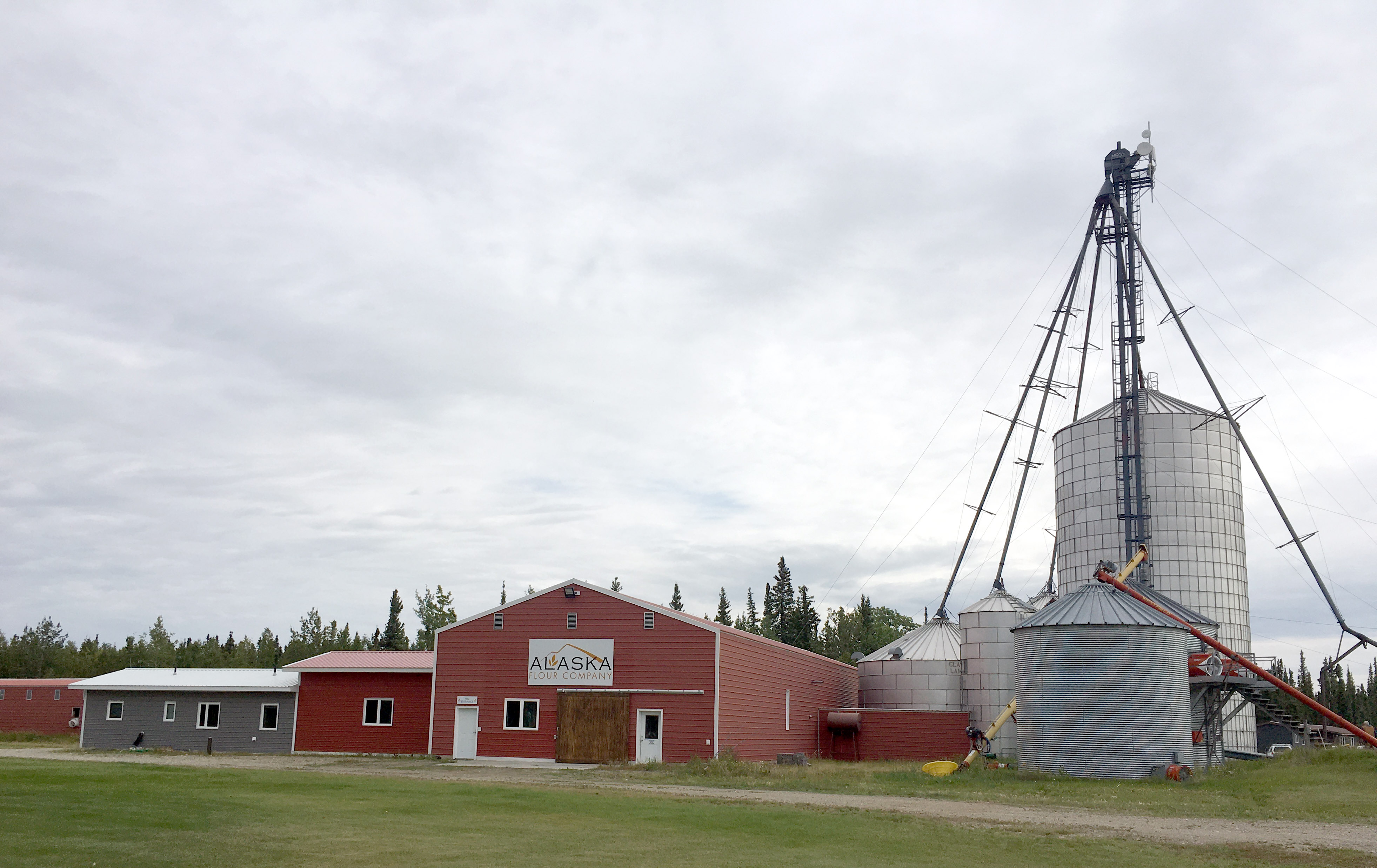
2026 crop science conference set at UAF in June
May 21, 2026
The 2026 Western Society of Crop Science annual conference will be held in Fairbanks on June 23-24. The conference will take place at the University of Alaska Fairbanks. It will bring together plant science students, faculty and researchers from public and private institutions across a broad geographic region of North America.